Category Archives: Herb Everything

Blog posts and herbal experiences

Red and yellow baby bell peppers

Down and dirty in the garden.

4/22/2010 3:55:38 PM

by Patsy Bell Hobson

Patsy Bell HobsonPatsy Bell Hobson is a garden writer and a travel writer. For her, it’s a great day when she can combine the two things she enjoys most: gardening and traveling. Visit her personal blog at http://patsybell.com/ and read her travel writings at http://www.examiner.com/x-1948-Ozarks-Travel-Examiner.

You still have time to start peppers from seed. I’m growing several chilies and a few different mild or bell peppers. The sweet pepper that caught my attention this year is the baby bell pepper. The plants are compact and heavy producers. Baby bells are a good choice for containers.

4-23-2010-1 4-23-2010-2
Left: Cheese-stuffed peppers make a tasty snack. Photo by Pille, courtesy Nami-Nami.
Right: Stuffed yellow peppers are easy to make. Photo courtesy
Burpee.

As you plant peppers, stake or cage them. Pepper plants tend to be brittle and the stems can snap in heavy winds or storms. These cute little peppers can be used fresh or cooked in summer recipes. Leave peppers growing on the plants until their color is bright and the peppers are well ripened for the sweetest flavor.

Peppers, like tomatoes, are native to the Americas. This new baby bell pepper will be pretty served grilled, stuffed as tapas or on an antipasta tray. My little baby bell pepper plants are just about 2 inches tall and looks just like any other pepper plant. Baby pictures will be delivered about the time tomatoes start coming on.

There are truly a rainbow of colors for bell peppers. The green peppers are not as sweet and sometimes more bitter than the red, yellow or orange peppers. Belle peppers are at their sweetest when allowed to ripen on the plant in full sun.

Red peppers have more vitamins and nutrients and contain the antioxidant lycopene. The level of carotene, another antioxidant, is nine times higher in red peppers. Red peppers also have twice the vitamin C content of green peppers. Bell peppers are an excellent source of vitamins C and A. One raw pepper provides more vitamin C than one cup of orange juice.

4-23-2010-3
The red and yellow baby belle peppers are beautiful together
on an antipasto plate or in a large summer salad.
Photo courtesy
Renee’s Garden .

This pepper seed is easy to find. Gurney’s Seed & Nursery Co., Johnny’s Selected Seeds and Renee’s Garden and many other catalogs offer baby bell peppers. But if you don’t want to find them on your own, enter my giveaway! I’m excited to announce another giveaway: Renee is giving away baby belle pepper seed packets, which contain both red and yellow peppers, to three lucky Herb Companion readers. Winners will be chosen randomy and announced after they have been notified. Good luck!

Seed Sales

Late Spring Seed Spree for 2010

Early peas will be replaced by green beens.

After peas are harvested, snap bean will follow

Most seed companies have reduced prices to tempt you into buying more seeds about this time every year. It is a good time to see where you can fill the empty spaces in your garden and try some succession planting to keep your garden growing until late fall. These are a few of the seed companies that caught my eye.


Renee’s Garden Seeds says, “Planting season is here, and we’re offering a Spring Fling Discount of 15% off your next order.
Enter DSC410 in the “coupon code” box on the checkout page. Good on or before May 2, 2010. Shop for seed to grow cool season crops.


Small enough to eat grilled or stuffed for appetizers or on a veggie tray

Compacts pants are a good choice for containers.

Gurney Seed and Nursery Co is having a clearance sale. They have a Special Offer: Save $20.00 When You Buy Product Totaling $40.00 or More. Limit One Offer Per Customer. I bought a couple of thornless blackberry vines. I’ve always had good luck ordering asparagus and fruit trees from Gurney’s.

Johnny’s Selected Seed, “Take 20% off selected varieties (below) while they last.save 20 percent on potatoes Use offer code 10-1070 when checking out to get your discount.” They are offering Yukon Gold, Dark Red Norland, Red Gold and Superior. All good home garden choices. Also take advantage of the bumper seed crop with reduced prices on select seed varieties.

Seeds of Change will give you 10% off everything when you become a fan on Facebook. Use offer code: FACEBOOK at checkout.


Even Home Depot has Buy-One-Get-One seed packets right now.

Squash are heavy producers. Plant only a few of each kind.

Most all the spring crops are in the ground. If yours are not, you still have time for salads and spring greens. Now is a good time to look over your remaining seed and plan for the space that will be available as you harvest spring crops.

Garden Bloggers Bloom Day March 2010

Garden Bloggers Bloom Day March 2010

Reluctant bloomers

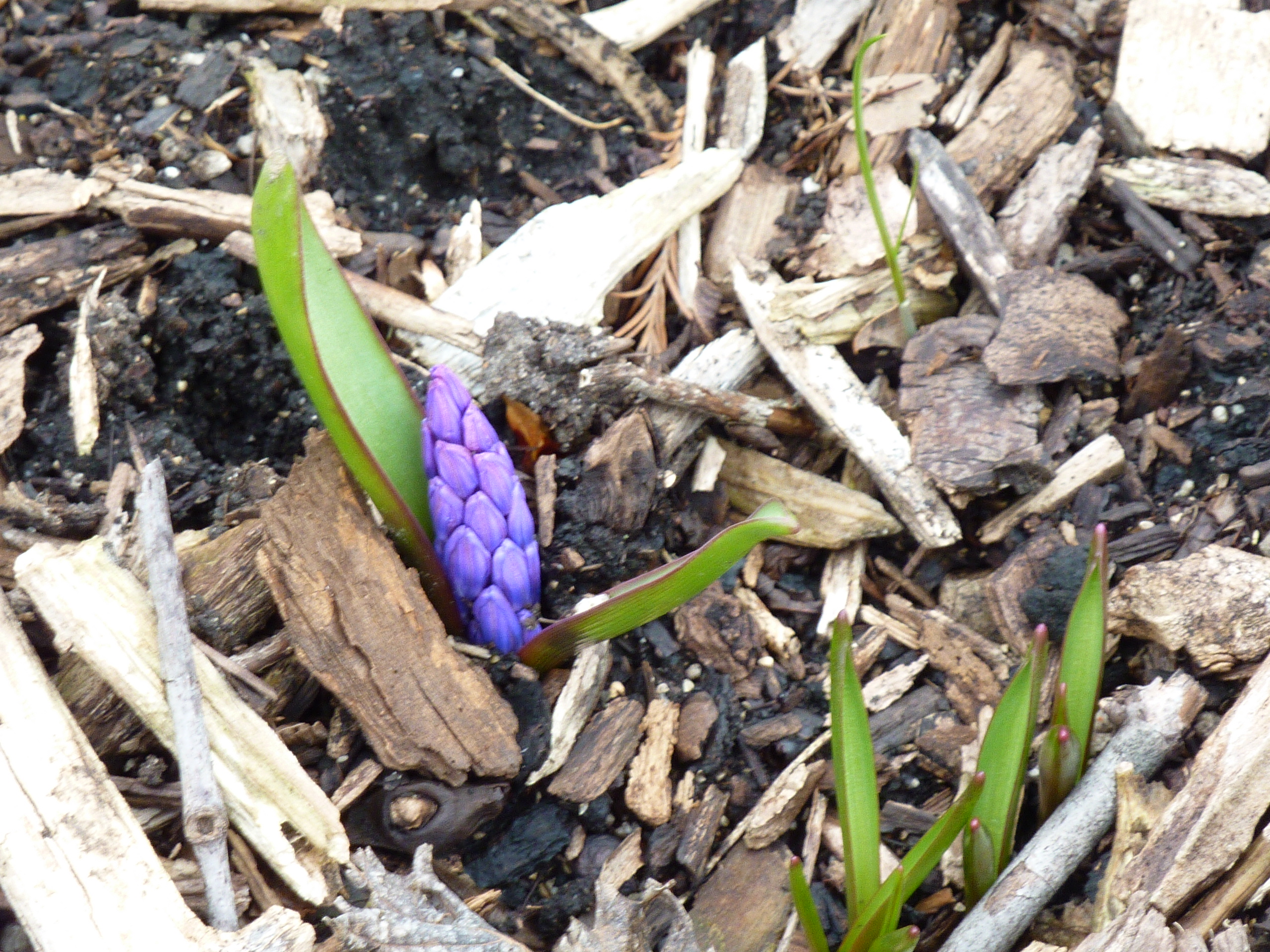
It’s “slim pickins” in the garden as my grandmother used to say. But I have the random daffodil returning for a repeat performance this year. Most of the little sunny dafs are holding out for blue skies and warmer weather. Some grape hyacinth and crocus are waiting in the wings for spring days filled with sunshine and birdsong.

hesitant blooms may need more sun

This single plant has more than a dozen buds waiting to bloom.

I’m taking these photos for Bloom Day but most of these bulbs will have come and gone between Bloom Days.

There are early bloomers protected by the old trees, but the ones out in the yard are waiting, waiting, like me.

Daffodils protected by the tree and in full sun.

The earliest daffodils are leading the bulb bloom.

I’m sort of a homeless blogger this week as I get a new site up and running. These things always take more time than you think (like weeding and watering.)

Most of all I wanted to share this volunteer parsley. I’ve never had parsley that is indeed it’s true self; a biennial. I let last years second year parsley reseed. The plant was enormous, growing three or four times larger than my little “annual parsley.” The reseeded parsley is weeks ahead of the plants I am patiently waiting to sprout from seed. This year, I soaked the seed for 24 hours be for planting in the seed tray.

This is my herb growing tip of the month: Drain the soaked seed on a coffee filter. Seeds won’t stick to the filter like they do to paper towels.

reseeded parsley

Parsley and chives are up and growing before other herbs.

coffee filters are better than paper towels.

Seeds drained on coffee filters do not stick to the filter.

Grow your own Chili Rellenos

How To: Make Chili Rellenos

Patsy Bell Hobson Patsy Bell Hobson is a garden writer and a travel writer. For her, it’s a great day when she can combine the two things she enjoys most: gardening and traveling. Visit her personal blog at http://patsybell.blogspot.com/ and read her travel writings at http://www.examiner.com/x-1948-Ozarks-Travel-Examiner.

Chili rellenos are one of my favorite Mexican restaurant foods. Last year, when I had a bountiful crop of mild chilis, I attempted to make chili rellenos. I never got the hang of it. The best I could do was make a greasy, cheesy mess. I did become a master at charing peppers.

The cook at El Acapulco Mexican Restaurant in Cape Girardeau, Missouri showed me the secret. Ramon Soriano Cruz is the cook at El Acapulco. He shared the secret about how to make chili rellenos from scratch..

Ramon had already blackened, peeled and stuffed the peppers. That is how the restaurant is able to serve chili rellenos in less than an hour.

pbh1
Gradually add flour to eggs a little at a time. Five egg whites are beaten until stiff.
Photo by Patsy Bell Hobson

My lesson started after the whole peppers were charred, peeled and stuffed. At this point the chilis were frozen. Ramon began by rolling the frozen chilis in flour and set them aside while making the batter.

Chili Relleno Instructions

Separate 1 egg for every chili. Beat the whites until stiff then sprinkle in flour to the egg whites as they begin to stiffen. With Ramon’s expertise, he mixed an unmeasured amount of flour into the eggs—I think a scant ½ of a cup of all purpose flour. He set aside the batter and rolled each frozen pepper in the flour again.

Then, he used the kitchen’s deep fryer to cook the chilis. At home, heat cooking oil 1- to 2-inch deep in a big frying pan to about 375 degrees.

Hold the chili by the stem, dip it in the egg batter until well coated. Use a rubber spatula to help spread batter if it doesn’t cover the entire chili.

pbh2
Ramon Soriano Cruz can serve a full restaurant. The sauce served over the chili is a mild seasoned tomato sauce.
Photo by Patsy Bell Hobson

Gently place the battered pepper in the hot oil, carefully turn the chili until it is well browned. You can cook two or three at a time, just don’t fry so many that it lowers the temperature of the oil. As each chili is browned, place it carefully on the plate. Ladle heated tomato sauce, over the pepper. Serve with beans and rice.

pbh3
Once the beans and rice are on the plate, a quick zap in the microwave insures the complete meal is served steamy hot.
Photo by Patsy Bell Hobson

Look for ancho or poblano pepper seeds or plants. Find seeds and plants in most of the seed catalogs. Wait on the last frost date in your area and hold off for another week or two before planting peppers. The seedling and plants do not like wet feet.

pbh4
Thanks Ramon!
Photo by Patsy Bell Hobson

Resource: El Acapulco Mexican Restaurant; 202 South Mount Auburn Road; Cape Girardeau, MO, 63703.

1. 2. 3. 4.

1. Chips and salsa with happy hour Margarita.

2. The cheese stuffed pepper should be completely melted. If not, a few seconds in the microwave will heat it through.

3. Removing the stem from the outside of the pepper, the seeds, (where the heat is) insides of the pepper were removed bef0re it was stuffed.

4. Handsome volunteer model, “discovered” in El Alcapulco Restaurant in Cape Girardeau MO.

Chili Weather


Patsy Bell HobsonPatsy Bell Hobson is a garden writer and a travel writer. For her, it’s a great day when she can combine the two things she enjoys most: gardening and traveling. Visit her personal blog at http://patsybell.blogspot.com/ and read her travel writings at http://www.examiner.com/x-1948-Ozarks-Travel-Examiner.

Chili herbs and spices are easy to grow in the heat of my full-sun zone 6 garden. However, it is the impending snowstorm that has gotten me to start thinking about chili. As you page through the seed catalogs this winter, consider growing a salsa garden or a chili garden. Peppers are colorful enough to plant in a full-sun flower bed—not for the flowers, which are usually small, white and unremarkable. The foliage can be lush and the color variety of the peppers ranges as wide as the heat levels.

Nutrients in peppers depend on the variety and maturity. Both sweet and hot peppers are high in vitamins A and C. If you make your own chili seasoning, you will get many levels of taste and a lot less salt.

1-4-2010-3
Chili con carne ingredients change according to the region and the cook.
Photo courtesy Wikimedia Commons

Start with ancho chili peppers, the key ingredient in chili seasonings. These rich and flavorful peppers have very little heat. I buy whole, dried peppers and crush them in a plastic bag for pepper flakes. The best way to crush any kind of dried pepper is to place them inside of a heavy plastic zipper bag. Then, smash the dried peppers.

Use gloves when working with peppers. Even the slightly hot peppers can burn. I can’t say this enough: WEAR GLOVES. If you don’t have gloves, put your hands in plastic produce bags or plastic zipper bags.

Capsicums are what make spicy dishes hot. Add chipotle, cayenne and/or jalapeno to the ancho in chili to give it spice and heat. Start with just a little hot pepper. It’s easy to add more heat later.

1-4-2010-1 1-4-2010-2
Left: Dried poblanos (Capsicum annuum) are used in chili.
Right: Fresh and versitile, poblanos are used to make chili rellenos.
Photos courtesy
Wikimedia Commons

If you want to grow your own chili peppers, look for poblano pepper seeds or plants. Green anchos are stuffed and used to make chili rellenos. These triangular peppers are the dried version of the poblano chile—the most common dried pepper in Mexico.

To make your own chili powder, start with ground ancho chili pepper. Add cumin and Mexican oregano. Then, add onion and garlic. I use fresh onion and garlic because it is readily available, but you can use garlic and onion powder. Finally, add hot peppers to taste.

Here is a salt-free chili seasoning mix. This is a guide. Add more or less of any ingredient to make this your own special chili powder. With the rich flavors of your own chili powder, you won’t miss the salt.

Chili Seasoning Mix

• 3 tablespoons ground ancho
• 2 teaspoons Mexican oregano, dried
• 1 teaspoon cumin
• ¼ teaspoon cayenne

Some chili recipes include tumeric, dried mustard, thyme, cinnamon or paprika. So don’t be shy—chili is an easy dish to experiment with and learn about the depth and flavor of herbs and spices. Original Texas-style chili contains no beans or tomatoes, so be creative.

We will talk about other traditional Mexican herbs and seasoning to plant in a salsa or chili garden. Be on the lookout as those catalogs come rolling in.

Resources

How to grow peppers:

AgriLife Extension
University of Illinois Extension

Pepper seeds and plants:

The Cook’s Garden
Renee’s Garden Seed

Chili spices:

Penzeys Spices

Parsley


Common parsley, Petroselinium crispum, a member of the carrot family (Apiaceae) I never grew parsley as a biannual before. But this year the parsley came back and took off on it’s mission to reproduce seed in the second year.

It’s grown as an annual in my garden both as a food source to butterfly caterpillars and some of my favorite recipes. Snip this leafy stalk-like herb close to the ground and begin clipping on the outside edges of the bunch. Cutting parsley like this will encourage new growth. Keep pruning parsley all season. Usually parsley grows to about 12 inches tall in my garden the first year.

This second year, I just left the plant to grow a second year. It grew about three feet tall before blooming and setting seed. Black Swallowtail butterfly caterpillars which are black, green and yellow caterpillars feast on parley. So I always plant a lot of parsley. Parsley is slow to germinate from seed. Be patient, and keep the soil moist. Parsley leaves are very high vitamin C content. They also contain vitamin A, B1, B2, Calcium, Iron, and anti-inflammatory flavonoids.

I’m collecting seed this year to plant next spring. I’ve always purchased seed for growing both curly and flat leaved varieties. When I have a lot of fresh parsley, I tend to use it more. One of my favorite summer recipes includes loads of fresh parsley, mint, and tomatoes.

Really, it’s not good unless you have fresh parsley.

Recipe for Toubli is here:
Tabouli Salad and Lemon Thyme Couscous

Related Posts Plugin for WordPress, Blogger...